Dog House or Pet House
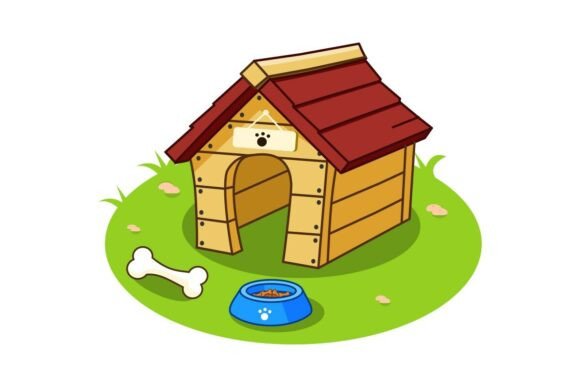
As an embroidery designer and product reviewer, I often find myself evaluating digital designs for their practicality, visual appeal, and suitability for real-world use. The Dog House or Pet House illustration is a simple yet charming piece that leans into a clean cartoon flat style. Its minimal details and clear shapes make it easy to recognize, but how does it perform in actual embroidery projects? Let’s break it down.
First Impressions: A Simple Design with Big Potential
The Dog House or Pet House design immediately conveys a sense of warmth and playfulness. It’s the kind of illustration that feels at home on a baby onesie, a custom tote bag, or a holiday gift. The layout is straightforward, with a central structure that’s easy to stitch without getting lost in too many details. The flat style means it’s not overly complex, which is great for beginners or those looking for quick, effective embroidery projects.
This design would work well as an applique design or a satin stitch fill. Its simplicity makes it adaptable to various fabric types and project sizes, but it also has limitations that need to be considered before jumping into a full-scale production run.
Real-Life Embroidery Scenarios: Where It Shines
For a small business owner or Etsy seller, the Dog House or Pet House could be a valuable addition to a collection of pet-themed embroidery files. It fits naturally into custom apparel, like sweatshirts or t-shirts, especially for pet lovers. A handmade shop might use it on embroidered patches, aprons, or pillow covers for a cozy, personalized touch.
It’s also a solid choice for baby items. The soft, cartoonish look pairs well with nursery decor, blankets, or onesies. The design’s clarity ensures it remains visible even on light-colored fabrics, making it ideal for printable mockups or digital product previews.
For holiday or wedding gifts, this design can be adapted into a decorative element on a tea towel, a cap, or a custom mug. Its simplicity allows for easy customization with different thread colors, making it versatile for seasonal themes or personalization.
Where to Be Cautious: Limitations and Considerations
While the Dog House or Pet House is visually appealing, it’s not without its challenges. On smaller hoop sizes, the design may require careful placement to ensure all elements are captured properly. Thin or stretchy fabrics could cause the stitches to pucker, especially if the stabilizer isn’t used correctly.
On dark fabrics, the design may not stand out as much unless the thread color is chosen carefully. For example, using a bright white or contrasting color could help it pop. However, on light backgrounds, the design looks clean and professional.
Textured fabrics, such as fleece or corduroy, may affect the appearance of the satin stitch or fill stitch. The design’s minimal details could get lost in the texture, so testing on scrap fabric is essential before committing to a larger project.
Impact on Visual Appeal and Customer Perception
The Dog House or Pet House design contributes positively to the visual appeal of any finished product. Its clean lines and recognizable shape make it instantly identifiable, which is important for brand consistency and customer recognition. When stitched properly, it adds a touch of charm that can elevate a handmade product or commercial embroidery project.
From a customer perspective, this design is likely to be well-received, especially among pet owners or those looking for cute, functional items. It’s a safe choice that balances creativity with practicality, making it suitable for both personal and commercial use.
Embroidery Designer Notes: Practical Tips for Success
Before using the Dog House or Pet House in your next project, here are some key tips to keep in mind:
- Test on scrap fabric: Always test the design on a similar material to see how it looks and behaves during stitching.
- Check thread color contrast: Ensure the thread color complements the fabric and enhances the design’s visibility.
- Review stitch density: The design’s simplicity means it may not require high stitch density, but check for areas that could become too dense or crowded.
- Confirm hoop size: Make sure the design fits comfortably within your machine’s hoop size to avoid cropping or misalignment.
- Inspect small details: Pay attention to corners and edges to ensure they remain sharp and well-defined after stitching.
- Test in black and white: Sometimes, a black and white version can reveal issues with contrast or clarity that aren’t obvious in color.
- Compare with light and dark backgrounds: See how the design performs on different fabric colors to choose the best option for your project.
- Use proper stabilizer: This is crucial for maintaining the integrity of the design, especially on stretchy or thin fabrics.
- Verify licensing: If you plan to sell finished products or digital files, confirm the licensing terms to avoid legal issues.
Final Thoughts: A Versatile Design with Room for Growth
The Dog House or Pet House is a solid choice for embroidery designers and crafters looking for a simple, charming illustration. It works well in a variety of applications, from custom apparel to personalized gifts, and its clean, flat style makes it easy to adapt to different projects.
However, its success depends on how it’s used. With careful consideration of fabric type, hoop size, and thread color, this design can become a staple in your collection of machine embroidery designs. Whether you’re running a craft business, creating handmade products, or simply looking for a fun project, the Dog House or Pet House offers a balance of creativity and practicality that’s hard to beat.